Trees are among the most valuable features of any residential or commercial property. They provide shade during warm weather, improve outdoor spaces, support local wildlife, and create a more welcoming environment. However, keeping trees healthy requires more than planting them and allowing nature to take its course. Through my experience working with landscaped properties, I have learned that consistent maintenance and early problem detection are two of the most important parts of successful tree care.
Understanding the Needs of Different Trees
Every tree has its own growing habits and environmental requirements. Some species grow quickly and need regular structural pruning, while others develop slowly and require very little intervention. Before recommending any maintenance work, I consider the tree’s age, species, location, and surrounding conditions. Understanding these factors helps prevent unnecessary treatments and supports healthier development.
Sunlight is one of the first things I examine when evaluating a tree’s growing environment. Trees planted in unsuitable locations may struggle to develop healthy foliage or maintain balanced growth. Soil conditions are equally important because roots need enough space, oxygen, and moisture to develop properly. Selecting an appropriate planting location from the beginning can prevent many long-term problems.
Develop a Consistent Watering Routine
Water management is essential for maintaining healthy trees. Newly planted trees generally need more frequent watering because their roots are still adapting to the surrounding soil. Established trees usually have larger root systems that allow them to access moisture from a wider area. However, prolonged dry weather can affect even mature trees.
I recommend watering slowly and deeply rather than applying small amounts of water repeatedly to the soil surface. This encourages roots to develop deeper into the ground. The exact watering schedule should depend on rainfall, soil type, temperature, and tree species. Checking soil moisture before watering also helps prevent problems caused by excessive moisture.
Keep Branches Healthy Through Proper Pruning
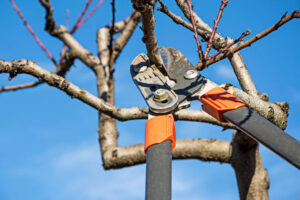
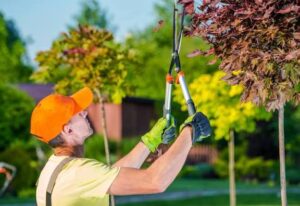
Pruning is an important part of maintaining a tree’s appearance and structural condition. Dead, diseased, and damaged branches should be assessed and removed when appropriate. This can reduce certain safety concerns and help maintain a balanced canopy. However, removing too much foliage can weaken a tree and interfere with its natural growth.
I once observed a property where several trees had been heavily trimmed to create more sunlight in the garden. Although the intention was understandable, the excessive cutting left the trees with poor branch structures and unnecessary stress. This experience reinforced the importance of understanding proper pruning methods before making significant cuts. Professional assistance is especially valuable when dealing with mature trees or large branches.
Improve Soil Conditions Around the Roots
Healthy roots depend on suitable soil conditions. Compacted ground can limit oxygen movement and restrict root development, while poor drainage may create excessive moisture around the root system. I encourage property owners to avoid storing heavy materials or parking vehicles beneath mature trees whenever possible.
Adding organic mulch is another useful way to support soil health. Wood chips and similar materials help retain moisture, regulate soil temperature, and gradually improve the soil as they decompose. Mulch should be distributed evenly around the tree without touching the trunk. Excessive accumulation around the bark can encourage decay and attract unwanted pests.
Identify Signs of Pests and Tree Diseases
Insects and diseases can affect trees in several ways. Some pests feed on leaves, while others damage the bark and internal tissues. Fungal infections may cause leaf spots, unusual growths, or gradual branch decline. Recognizing these symptoms early can make it easier to determine what kind of treatment is necessary.
Not every damaged leaf requires chemical treatment. Environmental stress, nutrient deficiencies, and watering problems can produce symptoms similar to those caused by insects or diseases. I prefer identifying the underlying cause before recommending any intervention. When the problem is difficult to recognize, a qualified arborist can provide a more reliable assessment.
Maintain Trees Throughout the Year
Tree maintenance should continue throughout the year because environmental conditions change with each season. Spring is a good time to observe new growth and check for early signs of pests. During summer, watering and heat stress become more important, particularly for younger trees. Autumn provides an opportunity to inspect the canopy and identify branches that may need attention.
Winter inspections can also be useful, especially for deciduous trees that lose their leaves. Without dense foliage, it may be easier to identify crossing branches, structural weaknesses, and damaged limbs. After storms, property owners should check for hanging branches and other visible hazards. Dangerous branches should be handled by trained professionals rather than removed without proper equipment.
Know When Professional Help Is Needed
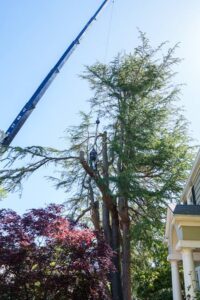
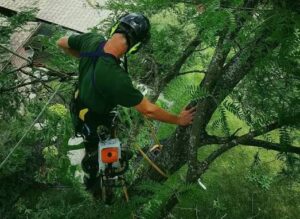
Some maintenance activities are relatively simple, but large trees can present serious safety challenges. Removing heavy branches, treating advanced diseases, and evaluating unstable trees require appropriate training and equipment. Professional arborists understand how to assess tree structure and recommend suitable solutions without causing unnecessary damage.
It is also important to consider future maintenance when planting new trees. A species that grows well in one location may struggle in another because of differences in soil, sunlight, drainage, and available space. Choosing trees that suit the local environment can reduce maintenance requirements and encourage stronger development.
Long-term tree maintenance is about understanding the needs of each tree and responding to problems before they become serious. Proper watering, healthy soil, careful pruning, and regular inspections all contribute to better growing conditions. I have found that simple maintenance habits often make the biggest difference over time. With consistent attention and professional support when necessary, property owners can enjoy attractive, healthy, and structurally sound trees for many years.